
For years, the phrase “video game adaptation” carried a heavy curse in Hollywood. Screenwriters often stripped away what made interactive stories special, replacing emotional depth with mindless action and cheap fan service.
Then came HBO’s The Last of Us.
Co-created by Craig Mazin (Chernobyl) and Neil Druckmann (the visionary behind the original Naughty Dog game), this post-apocalyptic masterpiece did far more than break a longstanding curse—it redefined what prestige television can achieve when adapting source material with care, restraint, and sheer emotional intelligence.
Whether you’re a die-hard gamer or a newcomer browsing HBO Max for your next binge-worthy drama, here is why The Last of Us stands as a masterclass in modern storytelling.
Grounded Realism: The Horror of Cordyceps
Most post-apocalyptic TV series rely on traditional zombie tropes—unexplained viral outbreaks, slow-walking corpses, or mysterious radiation leaks. The Last of Us grounds its terror in terrifying real-world biology: Cordyceps.
In nature, Ophiocordyceps unilateralis is a real parasitic fungus that infects insects, controlling their minds and sprouting fruiting bodies from their heads to spread spores. The show’s chilling opening sequence—a 1968 talk-show flashback featuring a quiet epidemiologist warning that global warming could force fungi to adapt to human body temperatures—sets a sinister tone before a single monster appears on screen.
How the Show Elevates the Threat:
-
The Hive Mind: Unlike isolated zombies, the infected in the show are connected subterraneanly through miles of fungal mycelium. Step on a patch of dried fungus in one block, and you wake up a swarm three miles away.
-
Evolutionary Stages: From fast-running “Runners” to blind, echolocating “Clickers,” the physical horror evolves alongside the biological degradation of human hosts.
-
Minimalist Terror: The show exercises remarkable restraint. Action sequences are sparse, ensuring that whenever an infected appears, the danger feels immediate, messy, and life-threatening.
Joel & Ellie: The Heartbeat of “Found Family”
A post-apocalyptic setting is only as compelling as the humans wandering through its ruins. At the core of The Last of Us lies a deeply human story about trauma, grief, and the terrifying cost of loving someone in a world where everything dies.
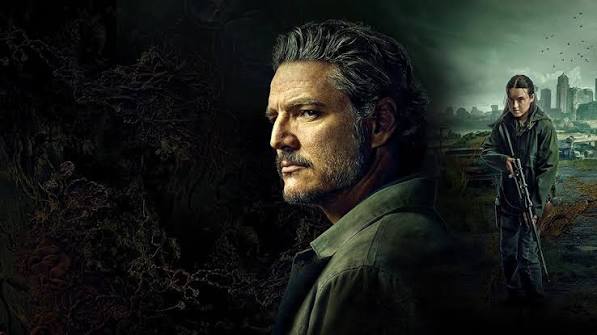
Pedro Pascal delivers a career-defining performance as Joel Miller, a hardened, grieving smuggler carrying twenty years of unhealed trauma following the death of his daughter on the first night of the outbreak. Opposite him, Bella Ramsey delivers a powerhouse turn as Ellie, a fierce, foul-mouthed 14-year-old orphan who happens to be immune to the fungal infection.
Their dynamic doesn’t blossom overnight; it is forged through shared quiet moments, bad joke books, and mutual survival. Pascal plays Joel not as an invincible action hero, but as an aging, hard-of-hearing man suffering from panic attacks. Ramsey imbues Ellie with a delicate balance of teenage innocence and explosive survival instinct.
Narrative Courage: The Great “Episode 3” Masterpiece
Where standard television shows follow a rigid formula, The Last of Us demonstrates narrative bravery by hitting pause on its main plot to explore forgotten corners of humanity.
Episode 3, titled “Long, Long Time,” strays from the main journey of Joel and Ellie to tell a standalone 20-year love story between Bill (Nick Offerman), a paranoid survivalist who transformed his suburban town into a fortified sanctuary, and Frank (Murray Bartlett), a traveling artist who stumbles into his traps.
“I was never afraid until I met you.”
— Bill to Frank, The Last of Us (Episode 3)
Rather than treating the apocalypse strictly as a wasteland of violence, the episode reframes survival as an act of creation and devotion. It stands as one of the most critically acclaimed hours of television in recent history, proving that world-building is richest when it focuses on why people choose to stay alive in the first place.
Craftsmanship: World-Building, Sound, and Score
The production design of The Last of Us sets a benchmark for post-apocalyptic aesthetics. Rather than relying entirely on digital green screens, production built massive practical sets across Alberta, Canada, capturing the eerie beauty of nature reclaiming concrete civilizations.
-
Visual Contrast: Lush green ivy wraps around crumbling skyscrapers, flooded subway stations shimmer in golden sunlight, and quiet snowy mountains contrast sharply with blood-stained snow.
-
The Soundscape: The iconic “clicking” sound of the blind infected was recorded using practical vocal performers, creating an auditory signature that induces instant anxiety.
-
The Musical Score: Composed by Gustavo Santaolalla (who also scored the original game), the minimalist charango and acoustic guitar melodies give the wasteland a hollow, melancholic dignity.
Moral Ambiguity: No Clean Heroes or Villains
Perhaps the strongest element of The Last of Us is its refusal to offer easy moral answers. In this world, survival rarely coexists with righteousness.
Whether dealing with the authoritarian military regime of FEDRA, the revolutionary Fireflies, or cannibalistic survivor communities in the wilderness, the series repeatedly illustrates how trauma distorts morality.
The climax in Salt Lake City presents a devastating dilemma that leaves viewers debating Joel’s choices long after the credits roll. There are no grand speeches or victorious music—only the terrifying, selfish lengths a parent will go to protect the person they love.
Final Verdict: Why You Must Stream It Today
The Last of Us isn’t just one of the best video game adaptations ever put to film—it is a landmark achievement for HBO and one of the finest television series of the 2020s. By placing human vulnerability ahead of mindless violence, Craig Mazin and Neil Druckmann created a story that lingers in your mind long after the screen goes dark.
If you haven’t experienced Joel and Ellie’s journey yet, log into HBO / Max and prepare for an unforgettable emotional ride.